
Pilates vs. Strength Training: Do You Really Need Both?
One of the most common questions I hear is:
"Should I do Pilates or strength training?"
The truth is that Pilates is a form of strength training. However, whether Pilates alone is enough depends on your individual goals.
Let's break it down.
Is Pilates Strength Training?
Yes. Strength training is any exercise that improves your muscles' ability to produce force. While many people immediately think of dumbbells, barbells, and gym equipment, strength training can also be accomplished using body weight, resistance bands, springs, and other forms of resistance.
Pilates uses both body weight and spring-based resistance to challenge your muscles, build strength, and improve control throughout the body.
By definition, Pilates is strength training.
Can Pilates Build Muscle?
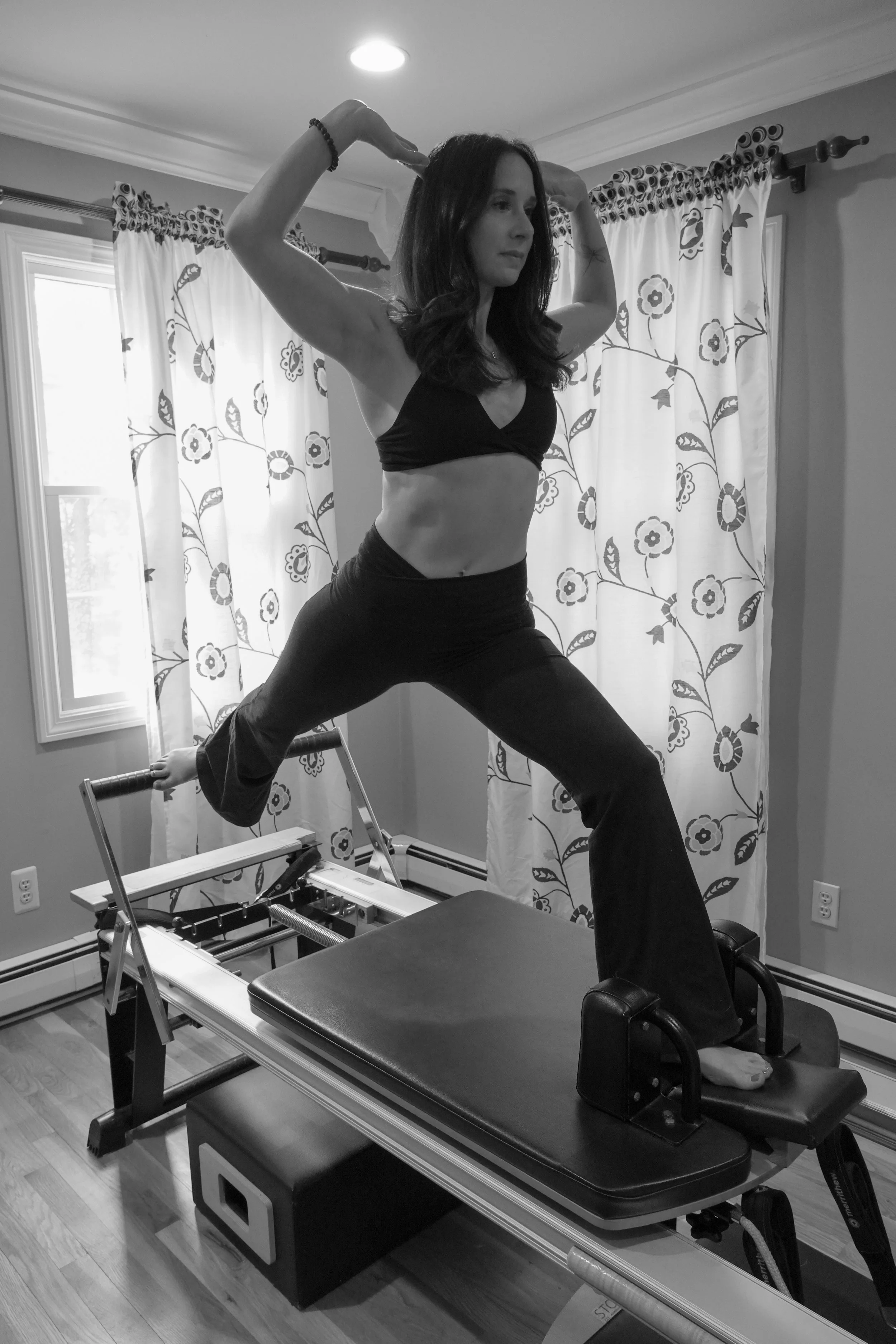
Absolutely. If you're new to exercise or haven't participated in resistance training before, Pilates can help you build muscle, improve muscle endurance, and increase overall strength.
Pilates is particularly effective at developing:
Core strength
Postural muscles
Stability
Balance
Coordination
Flexibility
Body awareness
One of the unique benefits of Pilates is its emphasis on mindful movement. Every exercise requires you to connect your breath, muscles, and movement patterns, helping strengthen the communication between your brain and body.
In other words, Pilates trains more than your muscles, it also trains your nervous system.
What Pilates Does Better
While both forms of exercise have value, Pilates offers several benefits that are often overlooked:
Improved Mobility
Strength without mobility can lead to stiffness and movement limitations. Pilates incorporates mobility and flexibility training directly into the workout.
Better Body Awareness
Pilates teaches you how to move efficiently, maintain proper alignment, and understand where your body is in space.
Increased Stability and Balance
Many Pilates exercises challenge smaller stabilizing muscles that support healthy movement patterns and injury prevention.
Mind-Body Connection
Unlike many traditional workouts, Pilates encourages intentional movement and breath awareness, creating stronger neuromuscular connections throughout the body.
What Traditional Strength Training Does Better
As much as I love Pilates, I also encourage many of my clients to participate in other forms of strength training.
Progressive overload is the gradual increase of resistance over time and it’s one of the most effective ways to build significant muscle mass and maximize strength gains.
Traditional strength training can be particularly beneficial for:
Building muscle mass
Increasing bone density
Improving athletic performance
Supporting healthy aging
Preventing age-related muscle loss
This becomes especially important as we age.
Research consistently shows that both muscle mass and bone density naturally decline over time. For women in particular, weight-bearing activities and resistance training can play an important role in maintaining bone health and reducing the risk of osteoporosis.
Pilates vs Weight Lifting: Which Is Better?
The truth is neither is "better."
They simply serve different purposes.
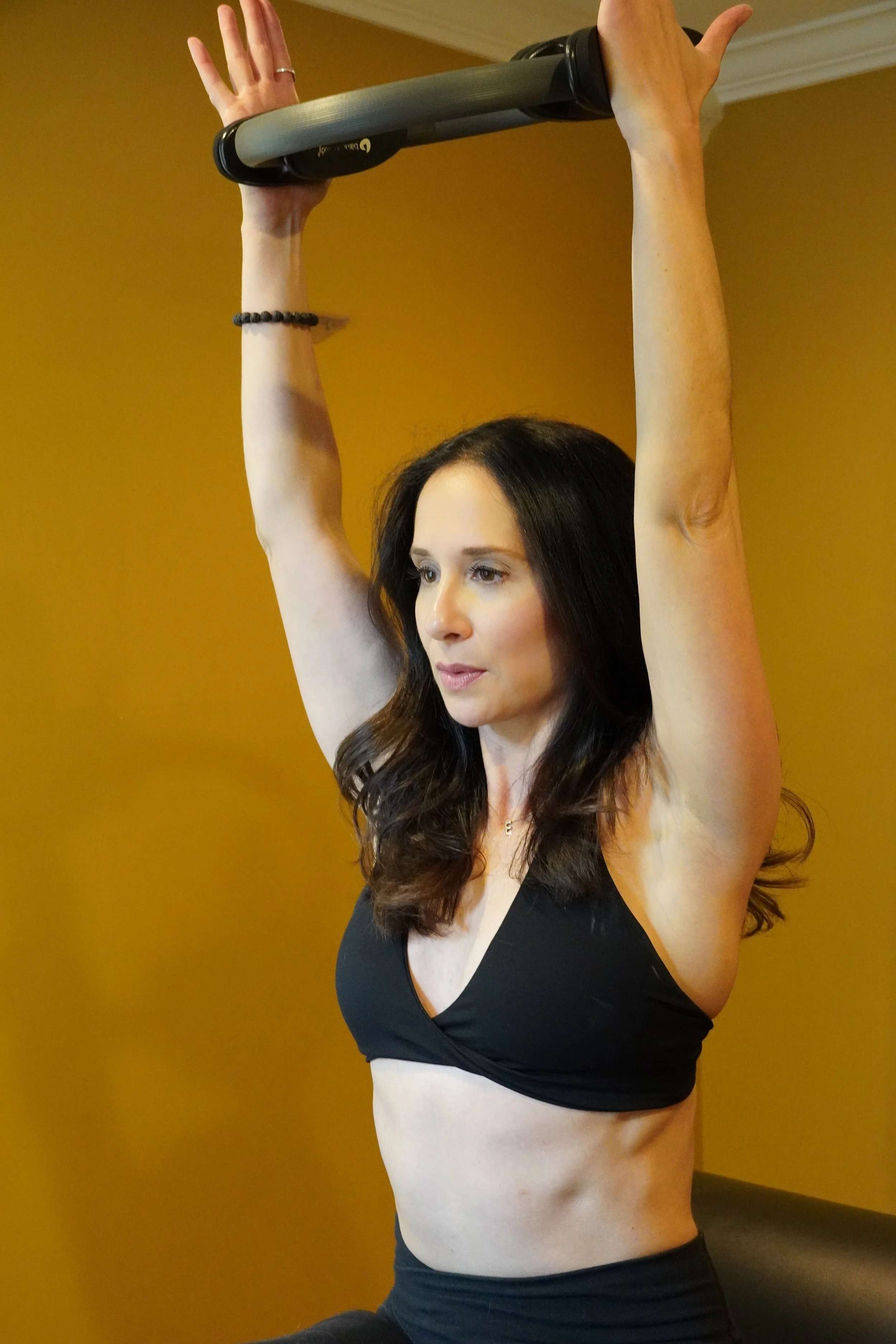
Pilates excels at:
Mobility
Stability
Core strength
Alignment
Movement quality
Injury prevention
Traditional strength training excels at:
Progressive overload
Muscle growth
Bone density
Maximum strength development
Rather than choosing one over the other, many people benefit most from incorporating both.
My Personal Approach
Personally, I combine Pilates, traditional strength training, and cardiovascular exercise throughout my week. Each serves a purpose.
Pilates helps me maintain mobility, stability, body awareness, and movement quality. Strength training helps me build and maintain muscle. Cardio supports heart health and endurance.
Together, they create a balanced approach to wellness.
Is Pilates Enough?
For many people, Pilates is an excellent place to start.
It's safe, adaptable, and can be modified for a wide variety of fitness levels, injuries, and movement limitations. It helps build a strong foundation that often makes other forms of exercise more effective and enjoyable.
Whether your goal is to feel stronger, move better, recover from injury, or support long-term health, Pilates can be an incredibly valuable part of your fitness routine.
At its core, Pilates is about balance, and a well-rounded wellness routine should be too.
Strength. Mobility. Stability. Recovery.
Each deserves a place in your journey.
Ready to Experience the Benefits of Pilates?
At Spine to Soul, every session is tailored to your goals, whether you're looking to build strength, improve mobility, recover from injury, or create a more balanced approach to wellness.
Schedule a consultation to learn how Pilates can support your unique journey.